Silent film history is, in many cases, a white history. Audiences of all races and ethnicities attended the movies, but certain minorities were sometimes forced to sit apart from the rest of the audience, in accordance with local custom or law. In Washington, at least, there were several theatres that had more liberal seating policies, but often they were smaller venues that operated only briefly or left behind few records, so their histories are difficult to trace.
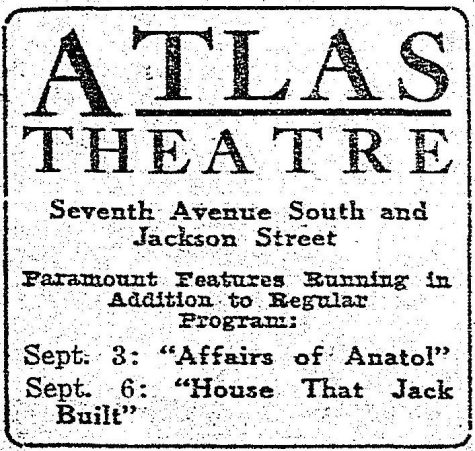
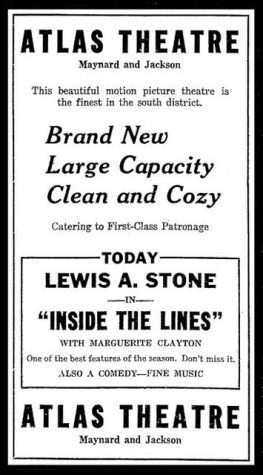
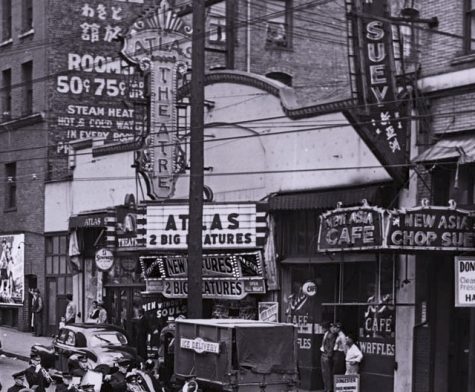
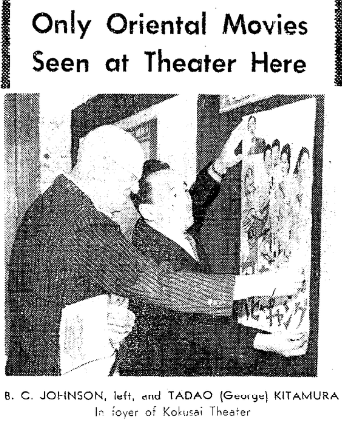
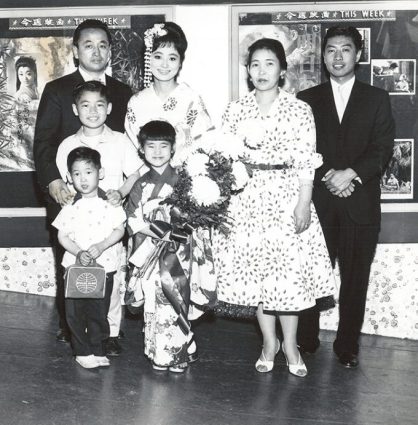
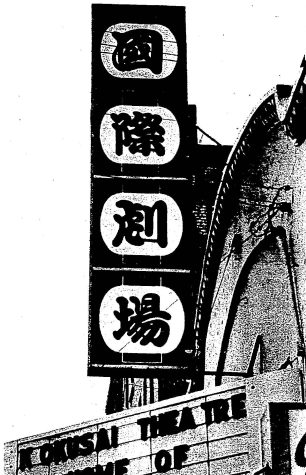
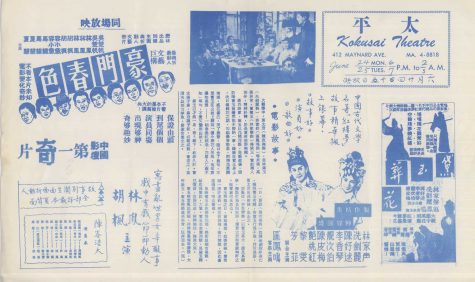
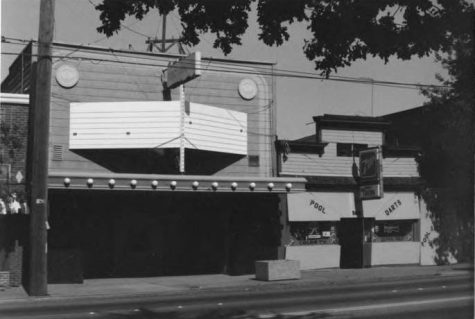
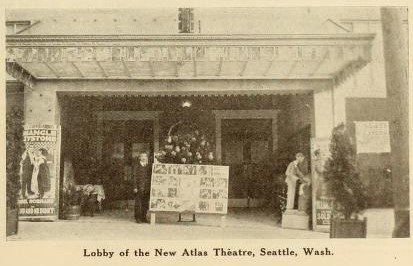
But in one case, at least, Seattle was different. Consider at the history of the Atlas Theatre in the city’s Chinatown neighborhood, built by Japanese owners in 1919. This was a modern theatre of the first order; the films were American, but the clientele was largely Asian. It stood as the neighborhood gem when it debuted, and remained an important gathering place throughout the 1920s, but the original luster wouldn’t last. The fortunes of the Atlas fell along with the broader neighborhood during the Depression, after which it limped along into the 1950s, known more for crime and vagrancy than the pictures it showed. Normally, that would have been the end of the line – any number of theatres in Seattle’s so-called “better” neighborhoods were being shut down by this time, victims of a newer era and a populace that was expanding outward after World War II. And yet the Atlas managed to survive, in an area that seemed unable to support it. That’s because the venue was completely revitalized in the 1960s, leaving behind its former history and transforming into one of the West Coast’s first all-Asian movie theatres, showing Japanese, Chinese and Filipino movies for the better part of two decades.
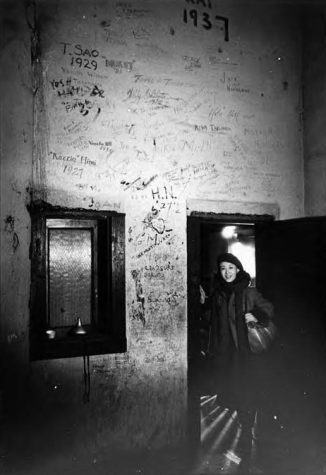
Renamed the Kokusai, Chinatown’s Atlas Theatre was getting a second lease on life – rescued and revitalized in a much more meaningful way than period theatres in Seattle’s other various neighborhoods. And, in the process, the Kokusai (nee, the Atlas) ended up playing an important role in Chinatown’s (nee, the International District’s) history, influencing generations of residents even after its closing.